Gold and silver have captivated the world for thousands of years. From ancient civilizations to modern luxury design, these precious metals have influenced how societies express beauty, craftsmanship, and status.
Today, they remain the foundation of fine jewelry—valued for their rarity, durability, and enduring appeal.
At AURÉV, we craft every piece from 18K solid gold and sterling silver, honouring the long legacy of these remarkable metals.
Early Beginnings: Why Gold and Silver Became Precious
From the earliest civilisations, gold and silver were revered not only for their beauty, but for their unique physical properties.
Gold emerged as a symbol of eternity and power in ancient Egypt. Resistant to tarnish and naturally radiant, it was shaped into jewelry, amulets, and ceremonial objects for pharaohs and sacred rituals—establishing gold as a marker of permanence and prestige.
Silver held equal importance in cultures such as ancient Greece and Persia. Often associated with the moon and clarity, silver was admired for its luminous glow and practicality. It became widely used for coins, ceremonial objects, and personal adornment, valued for both its elegance and accessibility.
Gold & Silver in Art: Craftsmanship Through the Ages
As artistic expression evolved, gold and silver became central to art across cultures.
Gold leaf brought radiance and symbolism to medieval icons and Renaissance works, conveying purity, divinity, and significance. Silver, valued for its cool luminosity, shaped both functional and decorative art—where engraving, repoussé, and filigree highlighted movement, texture, and fine detail.
Gold & Silver in Architecture: Symbols of Grandeur and Meaning
Gold and silver also shaped architectural expression, particularly in cultural and spiritual spaces.
Gold gilded domes, temples, and sacred structures, symbolising prosperity, reverence, and power, while lending architecture a lasting sense of grandeur. Silver appeared in ceremonial interiors and decorative accents, where its reflective quality added light, refinement, and depth.
From Royalty to Personal Adornment
Over time, gold and silver evolved from sacred symbols into personal expression. Gold came to represent wealth, achievement, and heirloom value, while silver offered versatility and refined everyday elegance.
Together, these traditions shaped the fine jewelry world we know today—where precious metals are valued not only for their beauty, but for what they represent.
To better understand how purity influences gold’s colour, durability, and longevity, explore our Gold Purity & Gold Colors: 24K, 18K, 14K & 10K Gold Explained.
For a deeper comparison of silver compositions, see Sterling Silver vs. Fine Silver: Key Differences Explained.
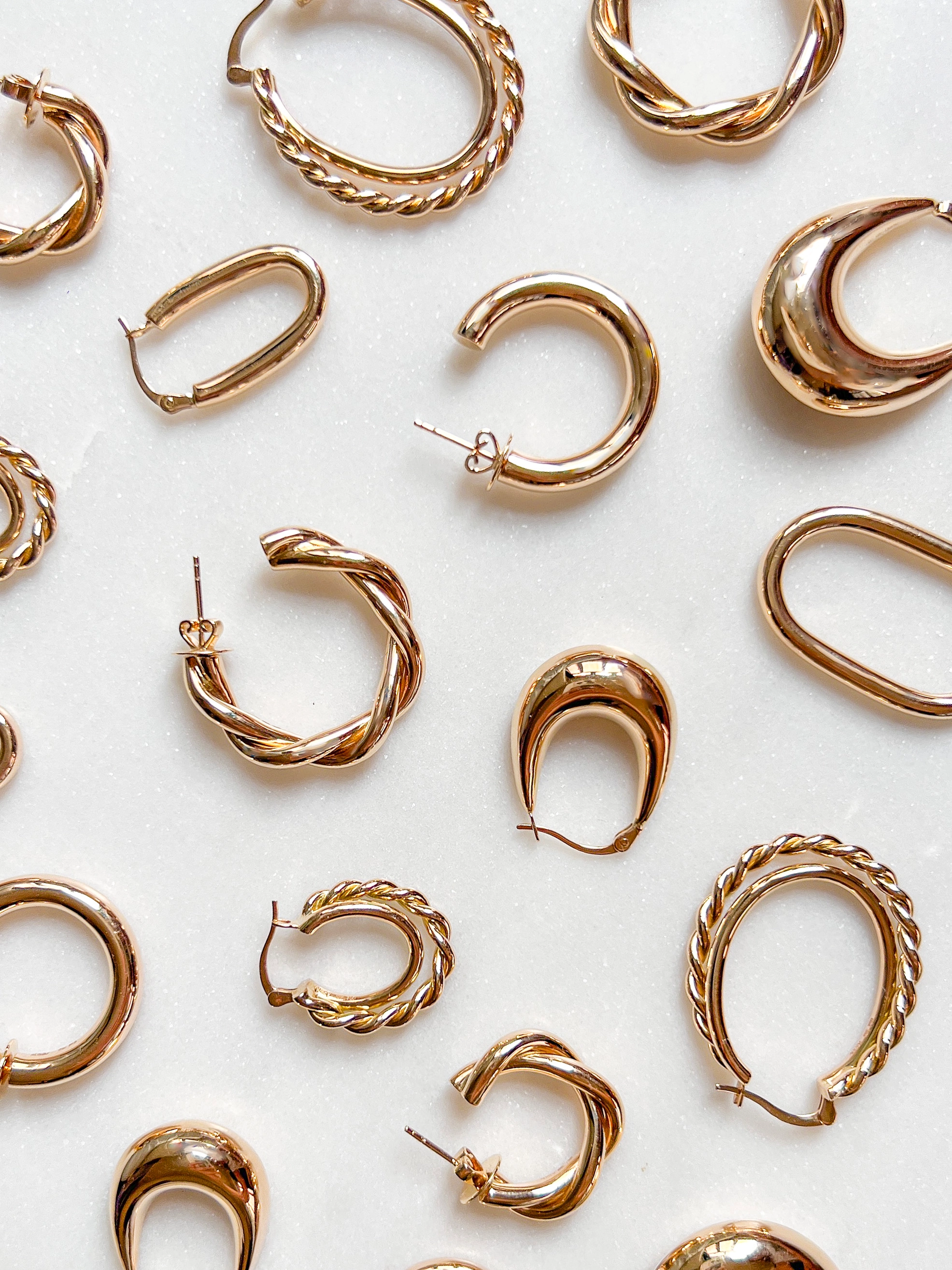
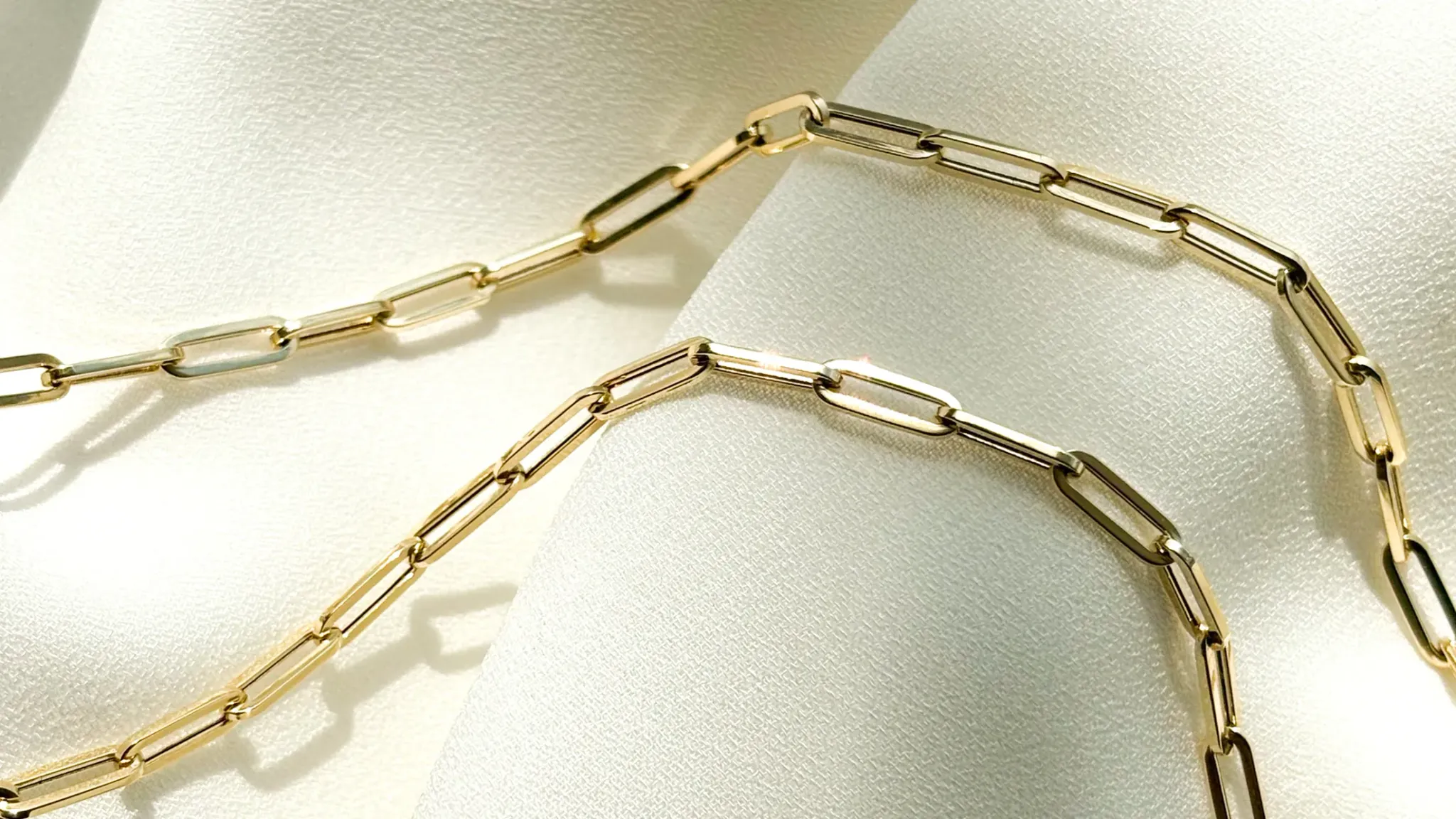
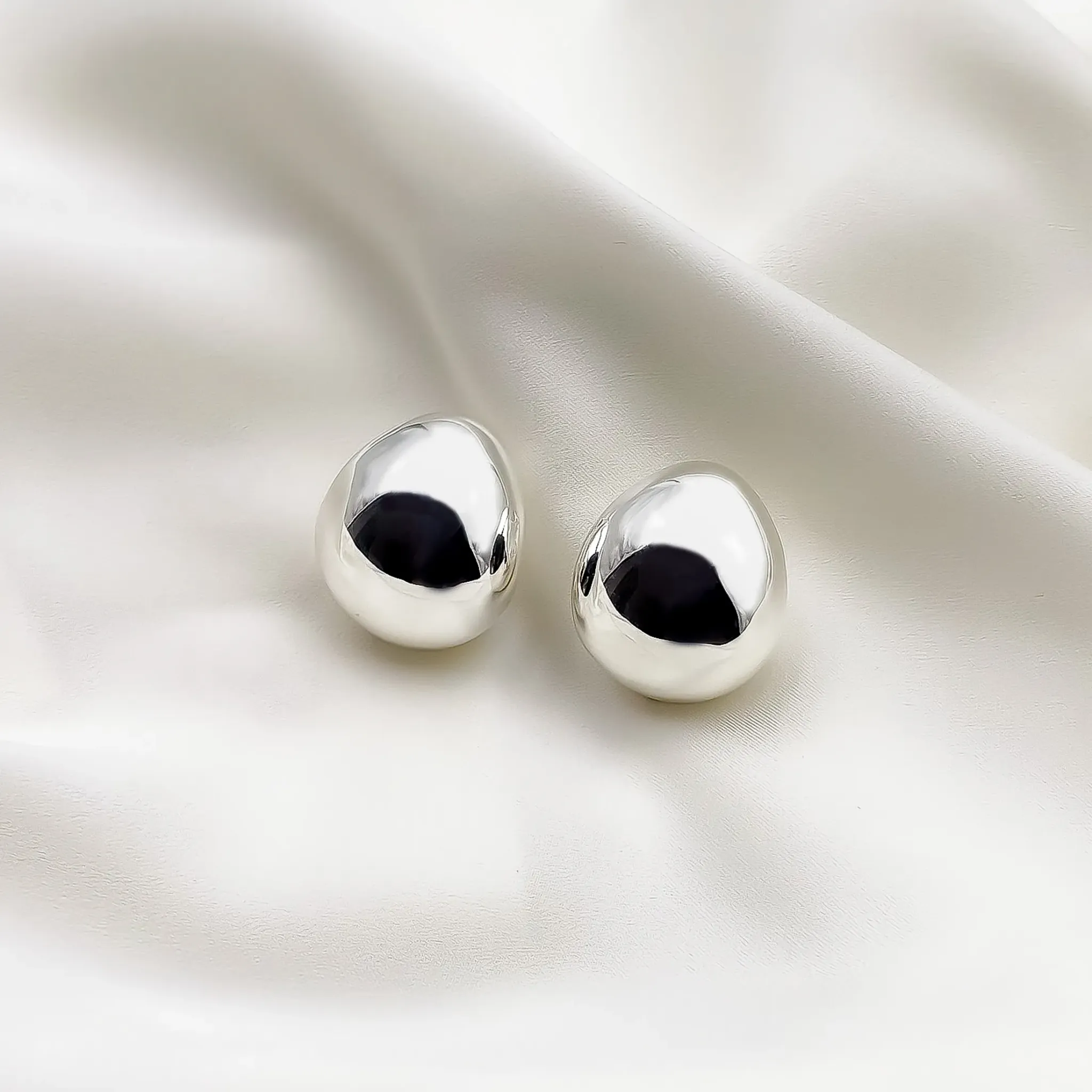
Fine Jewelry in Solid Gold & Sterling Silver
Curb and Paperclip Necklace
Enduring Value: Why Gold and Silver Still Matter Today
Gold and silver have been shaped by culture, craftsmanship, and time. 18K solid gold is prized for its enduring value, rich colour, and lasting strength—ideal for fine jewelry made to be worn for generations. Sterling silver offers brightness, durability, and everyday versatility, balancing elegance with practicality.
To understand the economic forces behind these materials, read our Gold & Silver Value Guide: The Economics Behind Precious Metal Jewelry.
At AURÉV, we choose these metals deliberately—for longevity, integrity and the ability to become part of a meaningful, lasting collection.
Precious metals carry history. Now, they carry yours.