Jewelry has accompanied human culture for thousands of years, serving as an expression of identity, belief, and craftsmanship. From early talismans to refined fine jewelry, each era shaped how precious materials were worked, valued, and preserved.
Across civilizations, gold and silver endured not only for their beauty, but for their permanence, symbolism, and intrinsic worth — qualities that continue to define fine jewelry today.
Origins of Adornment
The earliest jewelry was symbolic rather than decorative. Crafted from natural materials and early metals, adornment conveyed protection, spirituality, and social distinction.
In ancient Egypt, gold became central to jewelry design. Its resistance to tarnish and luminous colour symbolised eternity and divine power. Amulets and ceremonial pieces reflected beliefs around protection and authority — influences still visible in modern gold jewelry.
For a deeper look at early metal craftsmanship, see History of Gold and Silver: How Precious Metals Shaped Jewelry & Luxury Craftsmanship.
Craft Takes Form
As civilizations advanced, so did jewelry-making. In Greek and Roman societies, techniques such as filigree, granulation, and stone setting refined both form and function.
Gold and silver jewelry became markers of cultural identity and achievement. Rings, earrings, and pendants were worn daily, establishing silhouettes that remain fundamental to fine jewelry design.
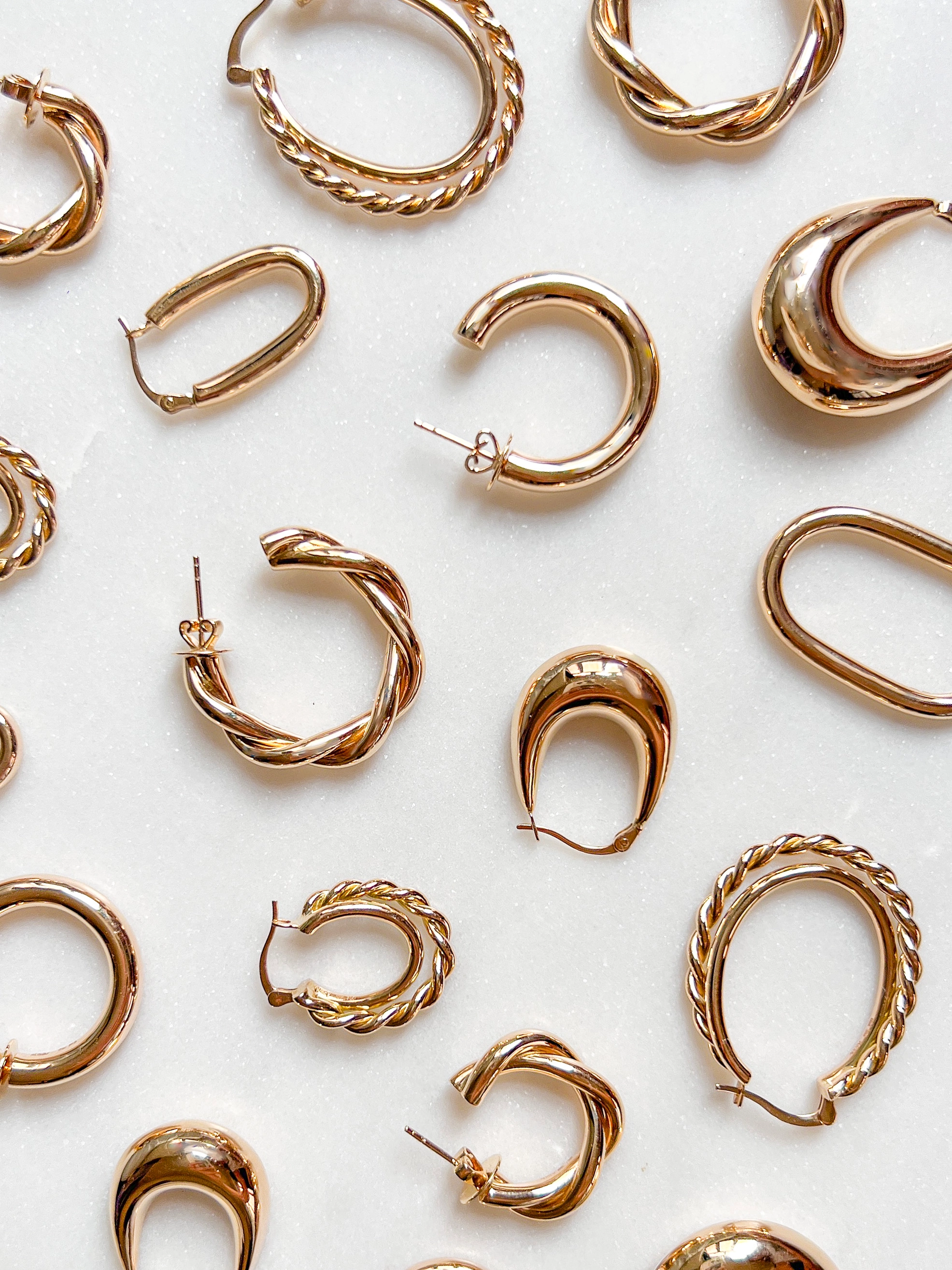
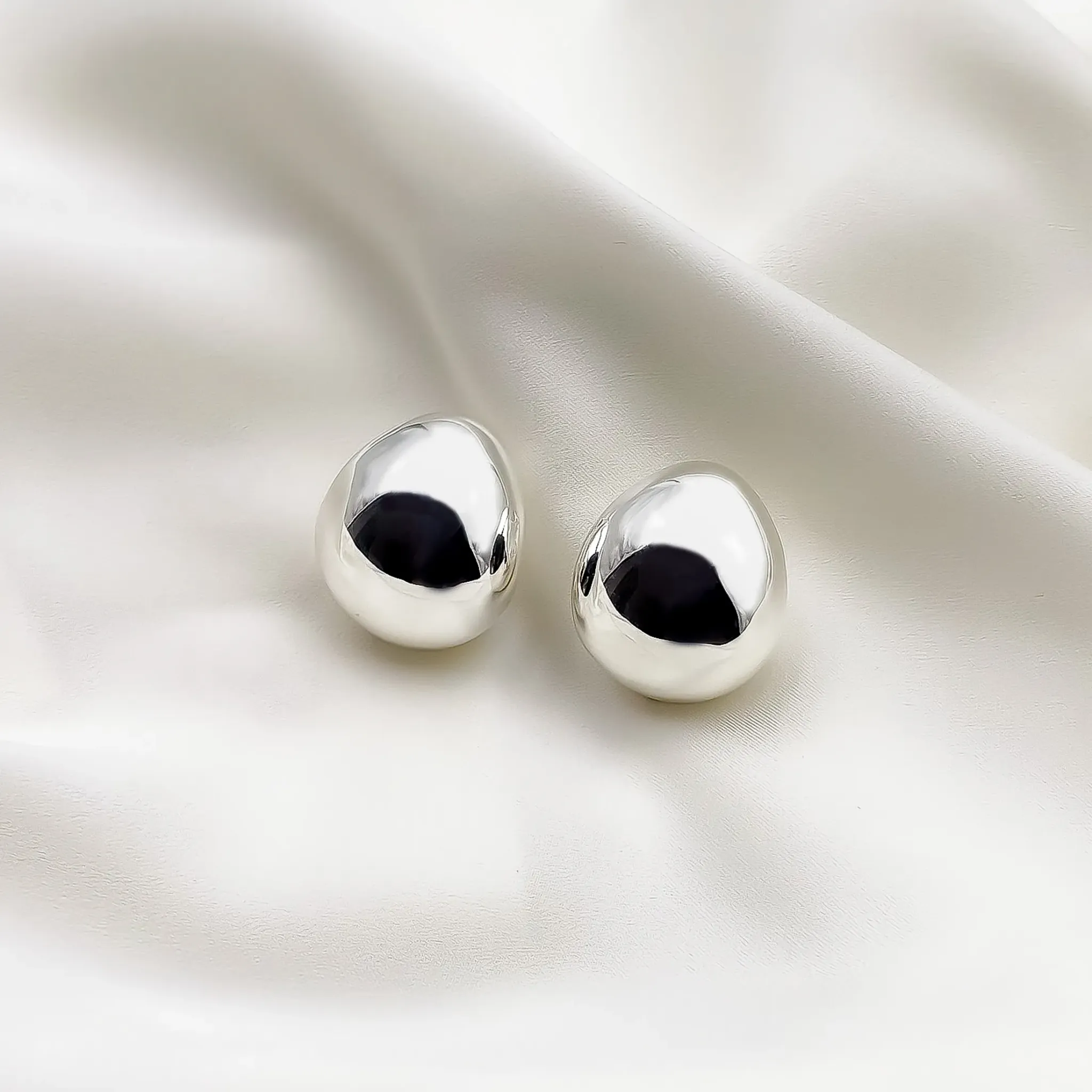
Modern Heirlooms in Gold & Silver
Meaning Over Ornament
During the Middle Ages, jewelry prioritised symbolism. Rings signified loyalty and faith, while pendants and brooches carried religious meaning.
Gold remained associated with power and royalty, while silver emerged as a precious yet accessible metal — a balance between rarity and wearability that persists today.
Art, Sentiment, and Legacy
The Renaissance revived artistry in jewelry through intricate metalwork and evolving gemstone cuts. By the Victorian era, jewelry became deeply personal: lockets, engravings, and symbolic motifs transformed adornment into keepsakes.
Diamonds, in particular, evolved from rare symbols into enduring icons — a shift explored further in The History of Diamonds: From Ancient Origins to Modern Engagement Rings.
A Return to Foundations
Modern fine jewelry has come full circle. After stylistic movements such as Art Deco, today’s designs return to material integrity, skilled craftsmanship, and longevity.
Solid gold and sterling silver remain central for their durability, intrinsic value, and ability to age gracefully — the same qualities that defined jewelry from its earliest forms.
Choosing with Intention
Understanding jewelry’s history allows modern collectors to choose with greater clarity. Materials, construction, and provenance matter as much as aesthetics.
When selecting fine jewelry, transparency around quality and craftsmanship is essential. These principles are explored further in Where to Buy Fine Jewelry: A Buyer’s Guide to Choosing the Right Brand.
Jewelry has always carried meaning. Today, that meaning lies in choosing pieces made with intention, integrity, and respect for the traditions that shaped them — values that quietly inform each AURÉV design.